
 By
By 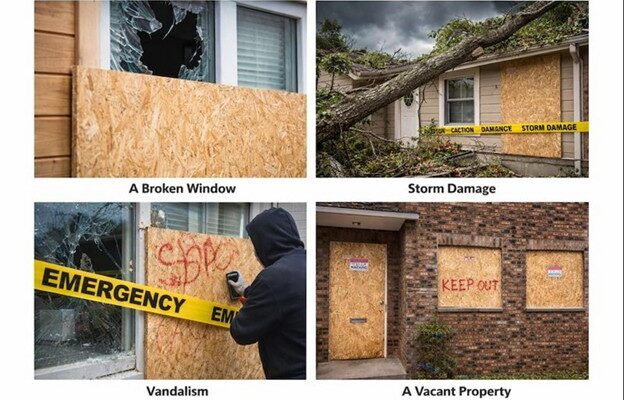
After a storm, fire, or break-in, your property is left vulnerable to weather, vandals, and further damage. Emergency boarding up acts as a fast, protective barrier, securing windows, doors, and exposed areas. Acting quickly in these situations can save time, money, and prevent long-term losses.
Protecting your home or business from damage is one of the most important responsibilities you have as a property owner. Sometimes, unexpected events create openings—broken windows, damaged doors, or unsafe walls—that leave your property exposed. In these moments, emergency boarding up becomes a lifeline, and calling a reliable boarding up company can make all the difference. This article explores the most common situations where boarding up is necessary, explains why it matters, and guides you on taking the right action. Whether you are a new homeowner or a seasoned business owner, you’ll find useful insights and clear steps to protect your property when time matters most.
How Emergency Boarding Up Works
Emergency boarding up is the process of covering openings in a building with sturdy materials—usually plywood after damage has occurred. These openings can be windows, doors, roof sections, or walls. The goal is to protect the property from weather, intruders, animals, and further structural harm.
Think of emergency boarding up as a temporary shield. It is not a permanent repair, but it buys time until proper restoration can be done.
Why Immediate Boarding Up Is Necessary
Before we dive into specific situations, it’s important to understand why boarding up is more than just putting boards over gaps:
- Safety: Protects people from sharp edges, unstable structures, and falling debris.
- Security: Prevents break‑ins, theft, and vandalism.
- Weather Protection: Shields interiors from rain, snow, wind, and pests.
- Insurance Support: Many insurance policies require damage to be secured to prevent further loss.
Understanding these benefits makes clear why boarding up shouldn’t be delayed when damage happens.
Common Situations That Demand Emergency Boarding Up
Let’s explore the main situations where boarding up becomes necessary.
1. After the Storm: Weather-Related Property Damage
Hurricanes, high winds, hail, and heavy rain can cause extensive damage, from shattered windows to collapsed walls.
How Boarding Up Helps:
- Stops water intrusion that could lead to mold and rot
- Prevents additional wind damage
- Protects furniture, flooring, and electronics inside
Fast boarding protects your home from turning a manageable repair into a full-blown renovation.
2. Fire and Smoke Damage
Fires can leave structures unstable, with broken windows and charred walls.
Risks After a Fire
- Broken glass and sharp metal
- Weak walls and ceilings
- Exposure to weather
Boarding up after a fire protects the property from vandals and weather, and keeps out animals that might enter through damaged areas.
3. Break‑Ins and Vandalism
After a burglary or vandalism, openings like shattered doors or windows leave a property wide open.
Consequences
- Theft of remaining items
- Squatters entering the building
- Increased insurance risk
Emergency boarding up reinforces weak points until permanent repairs are completed.
4. Cracks in the Foundation: Structural Failures
Old buildings or those needing maintenance may experience wall collapses or window failures.
Why It Happens
- Rotting wood
- Rusted metal fasteners
- Settling foundation
When structural parts fail, emergency boarding up keeps the area safe and prevents further damage.
5. Construction Hazards
During renovation or construction, temporary openings are often created.
When It’s Needed
- After removing old windows or doors
- When walls are partially dismantled
Boarding up these areas ensures safety and keeps the site secure outside working hours.
The Emergency Boarding Process: What to Expect
Understanding the process helps you act confidently when damage occurs.
Step 1: Assess the Damage
As soon as it is safe, inspect your property:
- Identify all openings
- Note structural weaknesses
- Take photos for insurance
Be careful damaged structures may be unstable.
Step 2: Choose Materials
The most common materials include:
- Plywood: Standard choice for windows and doors
- Metal sheeting: Stronger, for longer temporary protection
- Tarps: Used on roofs or irregular openings
Choose materials that match the size and type of damage.
Step 3: Secure the Area
Before boarding up:
- Clear debris
- Wear safety gear (gloves, goggles)
- Mark dangerous zones
A secure setup prevents injury during the boarding process.
Step 4: Install Boards
Boards should be:
- Placed tightly against the frame
- Fastened with screws or nails
- Checked for gaps
Properly installed boards act as a strong barrier.
When You Should Hire a Boarding Up Company
In many situations, especially after major damage, it’s best to call experts. A boarding up company has the tools, experience, and materials to do the job quickly and safely. Professional services are especially helpful when the damage is extensive, the structure is unstable, you lack the necessary tools or experience, or time is limited. Experts also understand local building codes and insurance requirements, which can make the difference between a smooth claim and a difficult one.
Choosing the Right Boarding Up Company
Selecting the right professionals matters. Here’s what to look for:
- Quick Response Time
Emergency damage can get worse by the hour. Choose a company that responds fast. - Experience
Look for teams with years of experience handling storms, fires, and other emergencies. - Quality Materials
Strong boards and correct fasteners ensure your property stays protected. - Licensed and Insured
Make sure the company is licensed and carries insurance. This protects you and your property. - Clear Pricing
Transparent costs help you avoid surprises during billing.
Safety Tips for Property Owners
While waiting for pro help, follow these safety tips:
- Keep people away from dangerous areas.
- Wear gloves, goggles, and protective clothing.
- Avoid entering unsafe structures.
- Take detailed photos for insurance claims.
Cost Considerations
Costs can vary based on the size of openings, the quality of materials used, labor time involved, and the urgency of the situation. Emergency services often cost more due to the need for quick response and after-hours availability. However, delaying boarding up can lead to even greater expenses later—such as water damage, vandalism, or theft losses. Investing in immediate protection can save thousands in long-term repairs.
Insurance and Emergency Boarding Up
Most property insurance policies require you to take steps to prevent further damage after a loss. Boarding up is one of these steps. To ensure your claim is supported, contact your insurance provider as soon as possible, take detailed photos of all damage, and keep all receipts related to the boarding up and repair process. Following these steps helps ensure your claim is processed smoothly and you receive fair compensation.
Common Mistakes to Avoid
Even well‑intended boarding efforts can go wrong. Avoid these pitfalls:
- Using thin or weak materials that fail under pressure.
- Leaving gaps that allow weather, pests, or intruders inside.
- Delaying action and allowing further damage to occur.
- Ignoring safety gear, increasing the risk of personal injury.
Avoiding these mistakes keeps your temporary protection solid and safe.
Conclusion
Emergency boarding up is a simple yet powerful way to protect your property when unexpected damage occurs. Whether from storms, fire, break‑ins, or structural problems, boarding up prevents further harm, keeps people safe, and supports insurance claims.
Acting quickly, choosing the right materials, and calling a professional with experience can save time, money, and stress. By understanding when and how to use emergency boarding up, you protect not just your building—but your peace of mind.
If you ever face property damage, take it seriously. Secure the area, call trusted professionals, and stay safe. Emergency boarding up isn’t just a repair—it’s protection when it matters most.















Comments