
 By
By 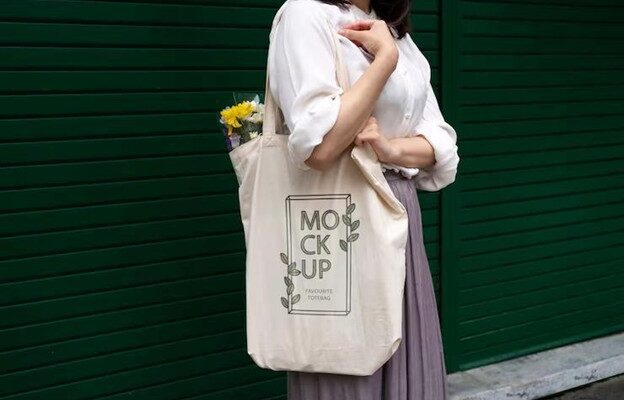
Patterns, textures, and colour now carry more meaning than ever. From retail displays to event spaces, fabric has become a flexible branding surface with real impact. When thoughtfully designed, printed textiles can shape perception, reinforce identity, and turn everyday materials into memorable brand touchpoints.
Printed textiles have moved far beyond decorative use. Today, custom printed fabric plays a strategic role in branding, packaging, interiors, and promotional environments. Its appeal lies in versatility. Fabric can be folded, stitched, reused, and displayed across many settings, making it a practical medium for visual communication.
Brands increasingly favour custom printed fabric because it feels tangible and human. Unlike digital assets that disappear with a click, printed textiles stay in use longer. They appear in public spaces, events, and workplaces, subtly reinforcing brand presence without feeling intrusive. This balance between visibility and usefulness is what makes fabric such a powerful branding tool.
Why Fabric Works as a Branding Medium
Fabric engages multiple senses. People notice colour, texture, and movement instinctively. When branding appears on fabric, it becomes part of an environment rather than a standalone message.
Printed textiles also align well with long-term brand consistency. A repeated pattern, logo placement, or colour palette across fabrics helps audiences recognise a brand faster over time. Studies in visual marketing suggest consistent brand presentation can improve recognition by over 20%, reinforcing trust and familiarity.
Common Applications Across Industries
Retail and Point-of-Sale Environments
In retail spaces, printed fabrics are often used for banners, table covers, backdrops, and reusable display elements. Fabric softens interiors and creates a welcoming atmosphere while carrying brand colours and messages clearly.
Events, Exhibitions, and Pop-Ups
Temporary spaces benefit from lightweight, portable materials. Fabric panels, flags, and wraps are easy to transport and install. They also photograph well, which supports online visibility without extra effort.
Packaging and Reusable Carriers
Fabric-based packaging has gained attention as consumers move away from single-use materials. Branded textile carriers and wraps remain in circulation longer, increasing brand exposure through repeated use.
Design Considerations That Matter
1. Pattern Scale and Readability
Designs must suit the size and purpose of the fabric. Large patterns work well for backdrops, while smaller repeats suit bags or coverings. Clarity should always come before complexity.
2. Colour Accuracy and Contrast
Fabric absorbs ink differently than paper. High contrast ensures designs remain legible across lighting conditions. Consistent colour reproduction is essential for maintaining brand integrity.
3. Material Choice and Finish
Cotton, canvas, and blended textiles each affect print sharpness and durability. The right choice depends on whether the fabric is decorative, functional, or both.
Branding Opportunities in Everyday Use
When branding integrates into items people already use, it feels natural rather than promotional. This is where custom printed fabric becomes especially effective. It turns functional textiles into subtle brand ambassadors that move through public and private spaces.
Fabric branding also supports storytelling. Repeating visual elements across different textile formats creates a coherent brand narrative. Over time, these details build familiarity without requiring direct advertising.
Actionable Tips for Better Results
- Prioritise simple, bold designs that remain clear when folded or in motion
- Test colour samples to ensure consistency across fabric types
- Match fabric durability to how often the item will be handled or washed
- Keep branding proportional to the item’s size and purpose
- Plan designs that work across multiple applications for consistency
These steps help ensure printed textiles remain effective throughout their lifespan.
Looking Ahead: Fabric in Modern Branding
As brands seek balance between visibility and responsibility, fabric continues to gain relevance. Its adaptability supports short-term campaigns and long-term use alike. With careful design and thoughtful application, printed textiles offer a branding solution that feels both practical and considered.
Final Thoughts
Printed textiles offer more than surface decoration. They provide brands with a flexible, tactile way to communicate identity across physical spaces. From retail interiors to everyday carry items, fabric keeps branding present without overwhelming the audience. The key lies in thoughtful design, material choice, and consistency. When these elements align, custom printed fabric becomes a long-term branding asset rather than a one-off promotional tool. Brands that invest time in understanding how their designs interact with fabric often see stronger recognition and recall. If you are considering expanding your visual identity beyond traditional formats, printed textiles are worth serious attention. Start by defining where your brand naturally appears in daily life, then explore how fabric can support that presence in a practical, lasting way.

















Comments